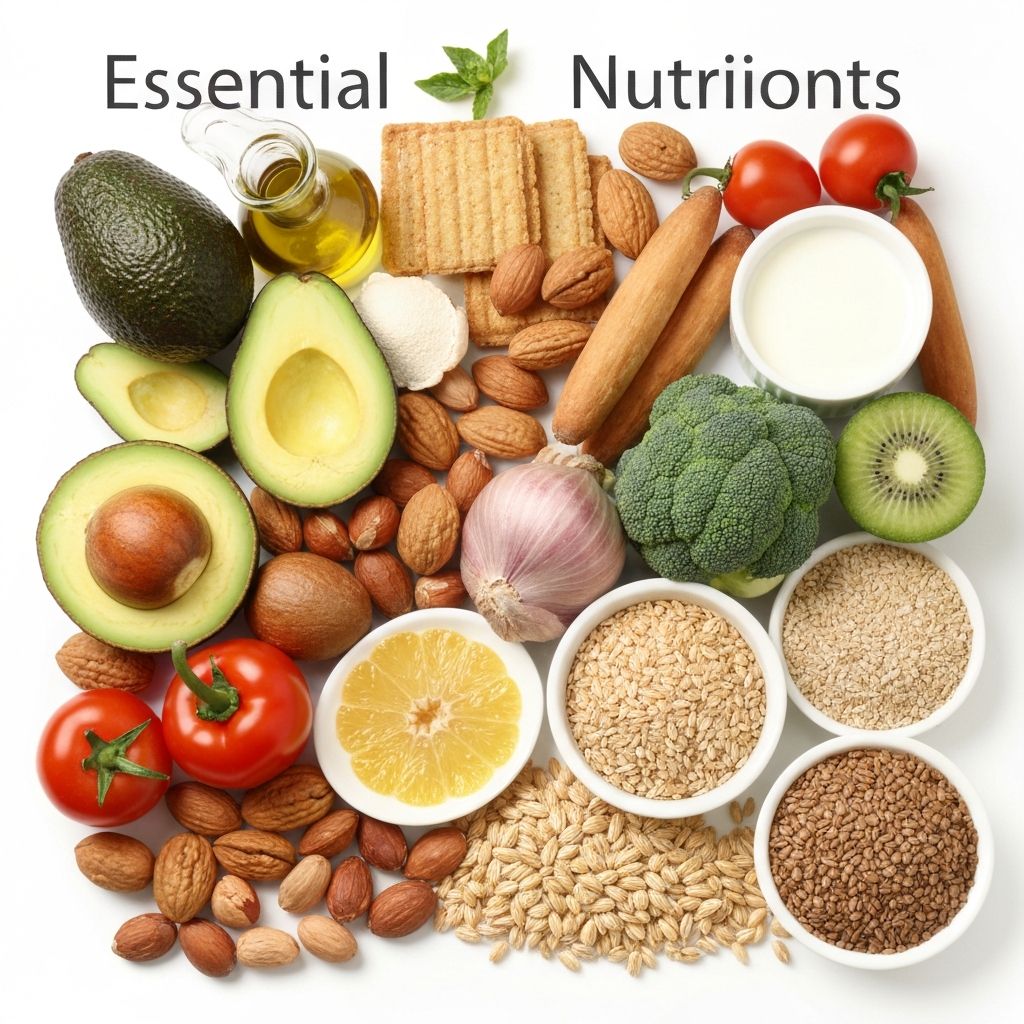
Understanding nutrition is fundamental to maintaining good health. The food we eat provides our bodies with essential nutrients that fuel our daily activities, support growth, and protect against disease. But what exactly are these nutrients? In this comprehensive guide, we explore the 7 types of nutrition that your body needs to function optimally.
Whether you are trying to lose weight, build muscle, or simply eat healthier, knowing these seven essential nutrients will help you make better food choices. Use our Macro Calculator to determine your optimal nutrient intake based on your personal goals.
The 7 Essential Types of Nutrition
1. Carbohydrates
Your body's primary energy source. Carbohydrates break down into glucose, fueling your brain, muscles, and organs.
Best Food Sources
- Whole grains
- Fruits
- Vegetables
- Legumes
- Rice
- Oats
Key Benefits
- Provides quick energy
- Fuels brain function
- Supports exercise performance
- Contains fiber (complex carbs)
Daily Needs: 45-65% of total calories
2. Proteins
The building blocks of your body. Proteins are essential for building muscle, repairing tissues, and producing enzymes and hormones.
Best Food Sources
- Lean meats
- Fish
- Eggs
- Dairy
- Legumes
- Tofu
Key Benefits
- Builds and repairs muscle
- Supports immune function
- Creates enzymes and hormones
- Maintains healthy hair and nails
Daily Needs: 10-35% of total calories (0.8g per kg body weight)
3. Fats
Essential for hormone production, nutrient absorption, and cell membrane integrity. Not all fats are created equal.
Best Food Sources
- Avocados
- Nuts
- Olive oil
- Fatty fish
- Seeds
- Eggs
Key Benefits
- Absorbs vitamins A, D, E, K
- Supports brain health
- Provides long-lasting energy
- Protects organs
Daily Needs: 20-35% of total calories
4. Vitamins
Organic compounds that regulate metabolism and support countless body functions. Your body needs 13 essential vitamins.
Best Food Sources
- Fruits
- Vegetables
- Dairy
- Meat
- Fortified foods
- Sunlight (Vitamin D)
Key Benefits
- Boosts immune system
- Supports bone health
- Aids energy production
- Protects against cell damage
Daily Needs: Varies by vitamin (see RDA guidelines)
5. Minerals
Inorganic elements crucial for bone health, fluid balance, and hundreds of enzymatic reactions in your body.
Best Food Sources
- Leafy greens
- Dairy
- Nuts
- Seeds
- Meat
- Seafood
Key Benefits
- Strengthens bones and teeth
- Regulates heartbeat
- Transports oxygen
- Maintains fluid balance
Daily Needs: Varies by mineral (calcium: 1000mg, iron: 8-18mg)
6. Fiber
A type of carbohydrate your body cannot digest. Fiber is essential for digestive health and helps regulate blood sugar.
Best Food Sources
- Whole grains
- Vegetables
- Fruits
- Legumes
- Nuts
- Seeds
Key Benefits
- Promotes digestive health
- Lowers cholesterol
- Controls blood sugar
- Aids weight management
Daily Needs: 25-38 grams per day
7. Water
The most essential nutrient. Water makes up about 60% of your body weight and is involved in virtually every bodily function.
Best Food Sources
- Drinking water
- Fruits
- Vegetables
- Soups
- Beverages
- Foods with high water content
Key Benefits
- Regulates body temperature
- Transports nutrients
- Removes waste
- Cushions joints and organs
Daily Needs: 8-10 glasses (2-3 liters) per day
How the 7 Nutrients Work Together
These seven types of nutrition do not work in isolation. They interact in complex ways to keep your body functioning optimally:
- 1.Fats help absorb vitamins - Vitamins A, D, E, and K are fat-soluble, meaning you need dietary fat to absorb them properly.
- 2.Protein needs carbs for energy - Without adequate carbohydrates, your body may break down protein for energy instead of using it for muscle repair.
- 3.Water transports all nutrients - Proper hydration ensures nutrients reach every cell in your body efficiently.
- 4.Fiber regulates carb absorption - Fiber slows down the absorption of sugars, preventing blood sugar spikes.
- 5.Minerals support vitamin function - Many vitamins require minerals as cofactors to work properly.
Calculate your optimal balance of these nutrients using our TDEE Calculator and BMR Calculator to understand your energy needs.
Building a Balanced Diet
Getting all 7 types of nutrition in the right amounts requires thoughtful meal planning. Here are practical tips:
Do This
- Eat a variety of colorful fruits and vegetables
- Choose whole grains over refined grains
- Include lean protein at every meal
- Drink water throughout the day
- Include healthy fats like nuts and olive oil
Avoid This
- Relying on supplements instead of whole foods
- Eliminating entire food groups
- Consuming excessive processed foods
- Drinking sugary beverages instead of water
- Skipping meals regularly
When dining out, use our restaurant nutrition calculators to make informed choices. Try our Chipotle Nutrition Calculator or Subway Nutrition Calculator to build balanced meals.
Signs You May Be Missing Essential Nutrients
Your body often signals when it is lacking essential nutrients. Common signs include:
| Nutrient | Deficiency Signs |
|---|---|
| Carbohydrates | Fatigue, brain fog, weakness |
| Proteins | Muscle loss, slow wound healing, hair loss |
| Fats | Dry skin, hormone imbalances, constant hunger |
| Vitamins | Weakened immunity, fatigue, poor vision |
| Minerals | Brittle nails, muscle cramps, irregular heartbeat |
| Fiber | Constipation, blood sugar swings, constant hunger |
| Water | Headaches, dark urine, dizziness, dry mouth |
If you experience these symptoms, consider tracking your nutrition more closely. Our BMI Calculator and Body Fat Calculator can help you assess your overall health status.
Learn More From Trusted Sources
Frequently Asked Questions
What are the 7 types of nutrition?
The 7 types of nutrition are carbohydrates, proteins, fats, vitamins, minerals, fiber, and water. These essential nutrients work together to support body functions, energy production, growth, and overall health.
Why are the 7 nutrients important?
Each nutrient plays a unique role: carbohydrates provide energy, proteins build and repair tissues, fats store energy and support cell function, vitamins regulate metabolism, minerals maintain body processes, fiber aids digestion, and water transports nutrients and regulates temperature.
How much of each nutrient do I need daily?
General guidelines suggest 45-65% of calories from carbohydrates, 10-35% from protein, 20-35% from fats, and at least 8 glasses of water daily. Vitamin, mineral, and fiber needs vary by age, sex, and activity level.
What foods contain all 7 types of nutrition?
No single food contains all 7 nutrients in adequate amounts. A balanced diet including whole grains, lean proteins, fruits, vegetables, dairy, nuts, and plenty of water ensures you get all essential nutrients.